

Overview
Robotic prostatectomy has transformed prostate cancer treatment by offering minimally invasive surgical options with improved precision and potentially faster recovery. This article explores the differences between single-port and multi-port robotic prostatectomy, highlighting their advantages, limitations, surgical outcomes, and suitability for different patients. It also discusses focal therapy as an alternative for selected men with localized prostate cancer and explains how personalized treatment approaches are advancing prostate cancer care in the UAE.
Single-Port vs. Multi-Port Robotic Prostatectomy Explained
Prostate Cancer has been a common type of cancer found in males around the world, and treatments have evolved significantly in just the last twenty years. Treatment that previously required an open incision and extended periods of hospitalization is now available to many patients as a form of minimally invasive robotic surgery or possibly non-surgical ablative therapies. Diagnostic tools such as MRI fusion biopsy are becoming increasingly accurate, allowing physicians to treat their patients with cancer based on how aggressive the patient's individual cancer stage, grade, and values are. The trend towards precision medicine will allow far more men to have real alternatives, from single-port robotic prostatectomy to multi-port systems to focal therapy, instead of having the same general surgical approach.
What Is Robotic Prostatectomy?
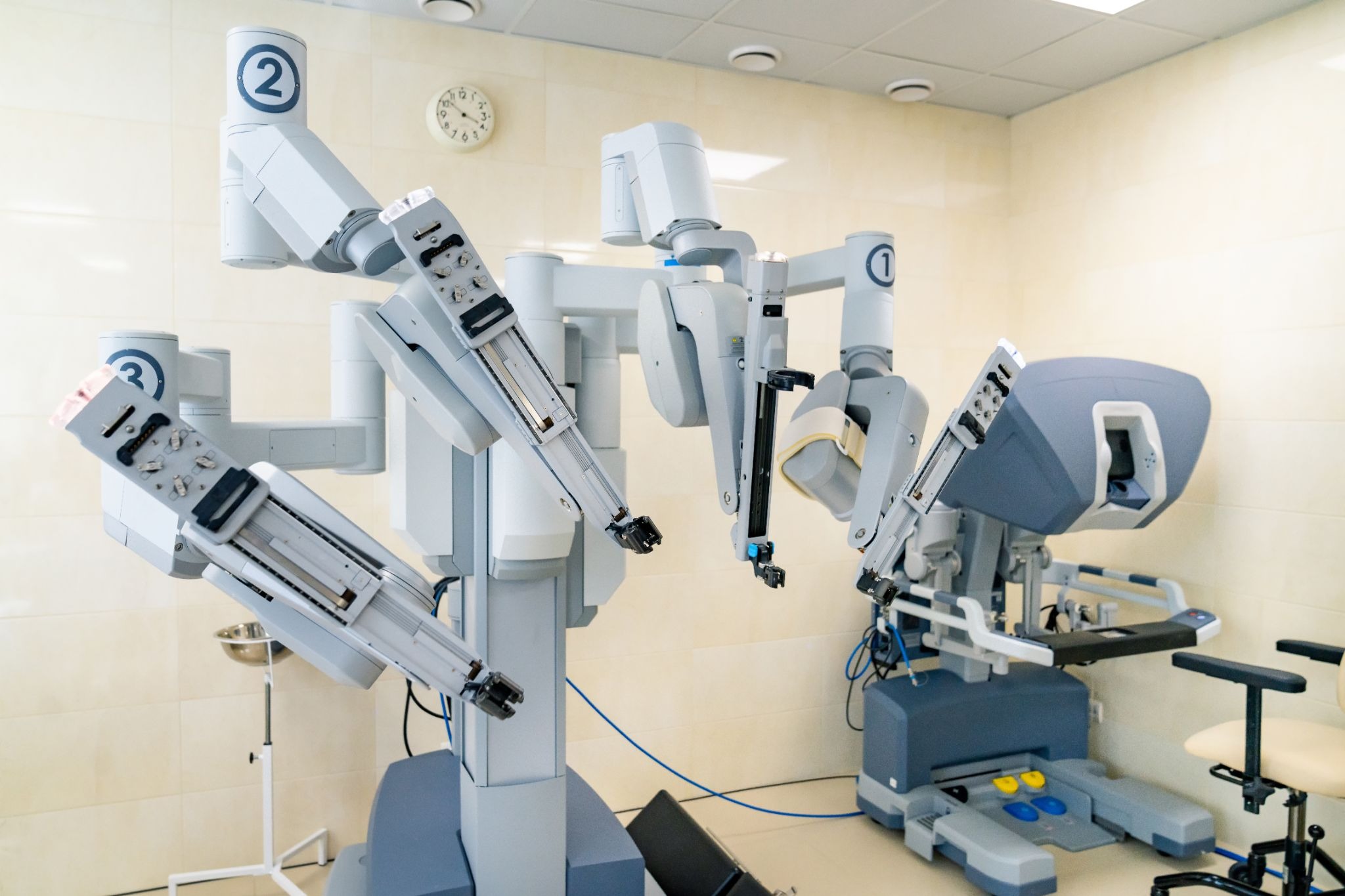
A robotic prostatectomy is a minimally invasive surgical procedure utilizing robotic arms to guide a camera and instrumentation as the surgeon performs the removal of the prostate gland through three or four small incisions. The use of a robot during this procedure has many benefits over traditional open surgery. Open surgery utilizes one large incision and often results in greater post-operative pain, increased blood loss, larger scarring and prolonged healing times. Centers offering prostate cancer treatment in Abu Dhabi have increasingly adopted robotic platforms because the enhanced precision allows surgeons to spare surrounding nerves and tissue, which matters a great deal for preserving continence and erectile function after surgery.
There are essentially two main types of robotic systems for surgery: single-port robotic systems and multiport robotic systems. In comparison to a traditional multi-port robotic system, which would use multiple individual ports (incisions) to accommodate various arms of the robot, allowing the surgeon to perform the procedure from multiple angles at once, the single-port robotic system incorporates both the camera and the instrumentation in one very small incision. This results in an even smaller footprint than the multi-port system.
Prostate cancer is the most frequently diagnosed cancer in men in 118 of 185 countries, with an estimated 1.47 million new cases and roughly 397,000 deaths recorded globally in 2022. Prostate cancer is one of the top two cancers diagnosed in males in the United Arab Emirates (UAE). These figures underscore why access to advanced, precise treatment options matters so much for men across the region.
Single-Port Robotic Prostatectomy: Advantages and Limitations
Single-port robotic prostate surgery is the most recent of the two options available. It has been developed to provide an even greater reduction in trauma during surgery than multiport robotic prostate surgeries. Since all of the instrumentation used during surgery enters the body via a single small incision, patients have reported significantly less pain after surgery and returned to their normal activities much sooner.
When Is Single-Port Most Effective?
The advantages of single-port systems lie primarily with patients who have organ-confined disease and simple anatomy. As such, they would be the ideal candidates when there will be no need to dissect extensively or reconstruct complicated anatomy. Surgeons generally use single-port access when it can provide sufficient dexterity to remove all malignant tissue while protecting nerves from damage.
Current Evidence on Outcomes
In 2025, a systematic review and meta-analysis of perioperative, functional, and oncologic results from a comparison of single-port and multiport robotic surgery for prostatectomy and nephrectomy was published in European Urology. Results indicated that single-port surgery resulted in decreased estimated intraoperative blood loss; less severe postoperative pain; and shorter hospital stays when compared to multiport surgical approaches. However, since the development of single-port technology is relatively new, longer-term data regarding oncologic disease recurrence (cancer) and urinary continence (continence) after single-port surgery are continuing to evolve. Surgeons therefore have an evolving benefit-to-risk assessment of using single port versus multiport robotic surgery.
Multi-Port Robotic Prostatectomy: A Comprehensive Approach
Robotic multiport prostatectomy has been the most used robotic method for removing the prostate and has a much longer clinical history than other methods. With each port providing a separate robotic arm, the surgeon benefits from greater mobility, enhanced 3-D magnification, and flexible instruments that are similar to those found in the human body.
Why Visualization and Flexibility Matter
The additional ports enable the assisting surgeon to actively take part in the operation. The assisting surgeon has a role, which is especially important in difficult situations such as large prostates, previous abdominal surgeries, or lymph nodes dissected extensively. In all of these situations, the additional visualization opportunities are usually what make multi-port systems more popular than single-port systems.
When patients consider undergoing prostate cancer surgery UAE, they need to recognize that the determination of whether single port or multi-port systems will be utilized is rarely based on which technology is better. Rather, this choice is largely dependent upon selecting the appropriate surgical method(s) for the specific cancer type and medical condition of the patient.
Focal Therapy as an Alternative to Surgery
The option of having no surgery is there for many men. Focal therapy is one of these options, and it represents a new way to treat the part of the prostate that contains cancer without taking out the rest of the prostate. The focal therapy treatments are energy-based and can take on several forms, including heat, cold, or High-Intensity Focused Ultrasound (HIFU), all of which target the tumor and leave adjacent healthy prostatic tissue intact.
Who Is a Good Candidate?
Focal therapy generally suits men with limited-volume, clinically significant, MRI-visible localized cancer, typically falling into the intermediate-risk category and confirmed through MRI fusion biopsy. Men who have multiple areas of cancer throughout the prostate, high-grade disease, or locally advanced disease will need to undergo whole-gland treatments like surgery or radiation.
What Does the Evidence Show?
European Urology Oncology recently published a 2025 Systematic Review and Meta-Analysis of prospective studies examining outcomes from focal therapy for localized prostate cancer. Results of the pooled analyses indicated that nearly 80% of patients demonstrated no clinically significant cancer on biopsy post-ablation. Additionally, the 5-year rates for both radical and systemic treatment-free survival were at 82% (CI 75-88). These results indicate that focal therapy offers reasonable cancer control along with a relatively favorable side effect profile compared to other forms of treatment for the appropriate patients.
The Future of Personalized Prostate Cancer Care in the UAE
The trend of prostate cancer treatment continues to move toward greater personalization. MRI fusion biopsies are now being used to provide high-precision information about the extent of the cancer; robotic surgery systems have improved the accuracy of surgical dissections of tumors; and there are also focal therapies which allow some patients to receive radiation-free and hormone therapy-free treatments.
This trend means more men will have access to treatments that effectively kill their cancers while preserving many of the aspects of their quality of life. For men living in the United Arab Emirates, visit the health resources page from Cleveland Clinic Abu Dhabi for further guidance on next steps.
Conclusion
Both single-port and multi-port robotic prostatectomy offer effective surgical approaches for treating localized prostate cancer, but the right choice depends on the patient's cancer stage, anatomy, overall health, and individual treatment goals. While single-port surgery may offer benefits such as smaller incisions, reduced postoperative pain, and shorter hospital stays, multi-port surgery provides greater flexibility and has a longer track record of clinical experience. Focal therapy may also be suitable for carefully selected patients seeking to preserve healthy prostate tissue. Men considering prostate cancer treatment in the UAE should consult an experienced urologist to understand their diagnosis, compare available treatment options, and choose an approach that balances cancer control with long-term quality of life.


