

Many people who take antidepressants may also use hormonal birth control, but combining the two can raise questions about safety, effectiveness, and side effects. From potential interactions to mood effects, it’s important to understand how these medications interact.
This blog covers 13 essential things you should know about using birth control while on antidepressants, helping you make informed choices about your reproductive and mental health.
Types of Birth Control Methods
Birth control methods are divided into two main categories: hormonal and non-hormonal.
Hormonal Birth Control
- Pills: Taken daily, these contain hormones that prevent ovulation
- Patches: Worn on the skin, they release hormones into the bloodstream
- Injections: Administered every few months, they provide a steady release of hormones
- Implants: Small rods placed under the skin that release hormones over a long period
Non-Hormonal Birth Control
- IUDs (Intrauterine Devices): T-shaped devices inserted into the uterus, available in copper or hormonal versions.
- Condoms: Barrier method that prevents sperm from reaching the egg.
- Diaphragms: Barrier method placed inside the vagina to cover the cervix.
Understanding how different medications can interact is crucial to your health. Birth control and antidepressants are commonly used drugs, but their interaction can sometimes be complex. Worldwide, about 64% of women of reproductive age use some form of birth control, and approximately 7% of the global population takes antidepressants.
Consult your doctor to understand how your birth control and antidepressants might interact. Contact us today for an expert opinion.
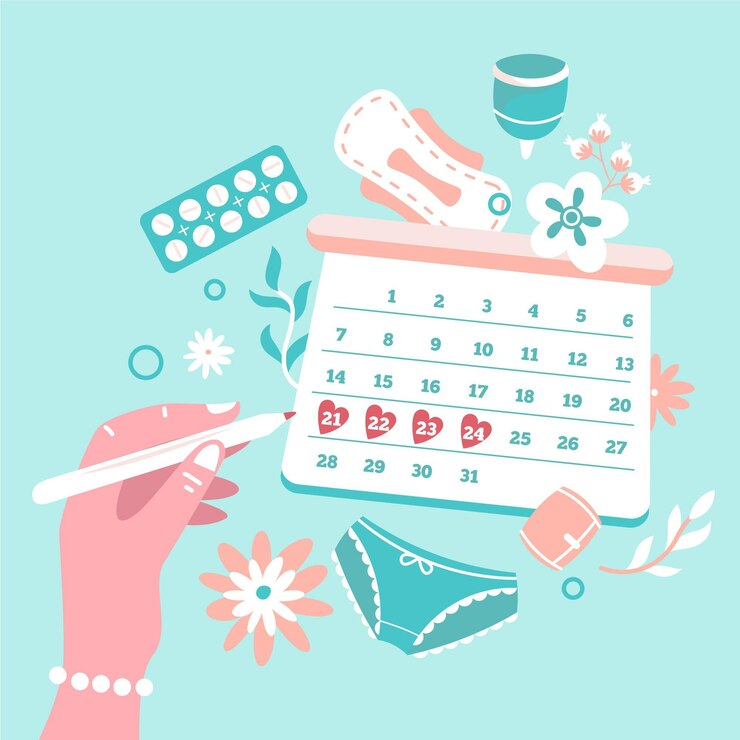
How Birth Control Works
Birth control methods work in different ways to prevent pregnancy:
- Hormonal Methods:
- Prevent ovulation (release of an egg from the ovaries).
- Thicken cervical mucus to block sperm.
- Thin the lining of the uterus to prevent implantation of a fertilized egg.
- Non-Hormonal Methods:
- IUDs: Copper IUDs release copper ions that are toxic to sperm, while hormonal IUDs release hormones to prevent ovulation.
- Condoms and Diaphragms: Act as physical barriers to prevent sperm from reaching the egg.
Consult with the top gynecologists for guidance on choosing the right birth control method for you.
Antidepressants are medications used to treat depression and other mood disorders. They come in several types, each working in different ways to help improve mood and mental health.
What type of antidepressant are we talking about?
SSRIs (Selective Serotonin Reuptake Inhibitors)
- Common examples: Prozac (fluoxetine), Zoloft (sertraline), and Lexapro (escitalopram).
- How they work: Increase serotonin levels in the brain by preventing the reuptake (reabsorption) of serotonin.
SNRIs (Serotonin-Norepinephrine Reuptake Inhibitors)
- Common examples: Effexor (venlafaxine), Cymbalta (duloxetine), and Pristiq (desvenlafaxine).
- How they work: Increase levels of both serotonin and norepinephrine by preventing their reuptake.
MAOIs (Monoamine Oxidase Inhibitors)
- Common examples: Nardil (phenelzine), Parnate (tranylcypromine), and Marplan (isocarboxazid).
- How they work: Prevent the breakdown of serotonin, norepinephrine, and dopamine by inhibiting the enzyme monoamine oxidase.
Tricyclic Antidepressants
- Common examples: Elavil (amitriptyline), Tofranil (imipramine), and Pamelor (nortriptyline).
- How they work: Increase levels of serotonin and norepinephrine by preventing their reuptake, and also affect other neurotransmitters.
How do antidepressants work?
Antidepressants work by balancing chemicals in the brain called neurotransmitters that affect mood and emotions.
Different types of antidepressants target different neurotransmitters:
- SSRIs and SNRIs:
- Increase the availability of serotonin and/or norepinephrine, which can help improve mood and reduce anxiety.
- MAOIs:
- Inhibit the enzyme monoamine oxidase, which breaks down neurotransmitters like serotonin, norepinephrine, and dopamine, leading to increased levels of these mood-regulating chemicals.
- Tricyclic Antidepressants:
- Block the reuptake of serotonin and norepinephrine, increasing their levels and improving mood.
Talk to your healthcare provider to understand which type of antidepressant is right for you.
Curious about how your birth control might interact with your antidepressants?
How Can Your Birth Control Affect Antidepressant Efficacy?
Understanding the potential interactions between birth control and antidepressants is important for maintaining your health and well-being.
Birth control, especially hormonal methods, can sometimes affect the efficacy of antidepressants. Hormones in birth control can influence mood and may alter the way your body metabolizes antidepressants. This can reduce the effectiveness of antidepressant medications, leading to less control over depression symptoms.
- Possible Effects:
- Hormonal fluctuations from birth control may cause mood changes. It can interfere with the stability provided by antidepressants.
- Some studies suggest that estrogen in birth control pills can alter the levels of certain antidepressants in the blood.
How Can Antidepressants Affect Birth Control Efficacy?
Certain antidepressants, particularly those that influence liver enzymes, can affect how birth control is metabolized in the body. This can reduce the effectiveness of birth control, increasing the risk of unintended pregnancy.
"Some antidepressants can affect how well hormonal contraceptives work. It’s important for patients to discuss their medical history with healthcare providers to balance mental health and contraceptive needs," explains Dr. Swapna Chekuri, a leading obstetrician and gynecologist in Hyderabad.
- Possible Effects:
- Some antidepressants, like certain SSRIs and SNRIs, can speed up the metabolism of birth control hormones and reduce their effectiveness.
- Antidepressants that affect liver enzymes can lower the levels of birth control hormones and make them less effective.
Discuss with your healthcare provider to ensure your birth control and antidepressants are working together. If you are looking for a second opinion, get in touch with us and talk to an expert.
Both birth control and antidepressants come with potential side effects. Knowing what to expect can help you manage them better.
What are the Side Effects of Birth Control?
Mood Swings
- Hormonal birth control can affect your mood, leading to mood swings or increased irritability.
Weight Gain
- Some people may experience weight gain due to fluid retention or changes in appetite.
Nausea
- Feeling nauseous is a common side effect, especially when you first start using hormonal birth control.
What are the Side Effects of Antidepressants?
Drowsiness
- Many antidepressants can cause drowsiness, making you feel sleepy during the day.
Sexual Dysfunction
- Some antidepressants may lead to decreased libido, difficulty achieving orgasm, or erectile dysfunction.
Weight Changes
- Weight gain or loss can occur with antidepressant use, depending on the medication and individual response.
According to studies
Is Birth Control Good for People With Depression?
Depends who you ask, and honestly, depends on you. The key points:
• Mood stability
Some women find the pill smooths out the dips that hit before their period.
• Mixed responses
For others, especially those with a history of depression, it can drag mood down instead.
• No firm proof
There's no solid evidence that hormonal birth control causes depression. So it's generally considered safe for people who have it.
• Some upside
A few studies suggest oral contraceptives are less likely to hurt mood than non-oral methods, and may even ease PMS-related dips.
• Personal factors decide it
Your medical history, lifestyle, and how you've reacted before should drive the choice, not a general rule.
Looking for ways to manage the side effects of birth control and antidepressants?
Here are some tips to help you manage the common side effects associated with these medications.
Tips for Managing Side Effects from Birth Control
- Mood Swings:
Practice stress-relief techniques like yoga or meditation, and discuss alternative birth control options with your doctor.
- Weight Gain:
Maintain a balanced diet and regular exercise routine to help manage weight changes.
- Nausea:
Take your birth control pill with food or before bed to reduce nausea.(As per your doctor's guidance)
Tips for Managing Side Effects from Antidepressants
- Drowsiness:
Take your medication at night if it makes you sleepy, and avoid activities that need alertness until you know how the medication affects you.
- Sexual Dysfunction:
Communicate with your healthcare provider about adjusting the dose or trying a different medication.
- Weight Changes:
Check your diet and engage in regular physical activity. Discuss with your doctor if weight changes become a concern.
Consult your healthcare provider to find the best strategies for managing side effects from your medications. Talk to us today.
Can Changing Birth Control Methods Help With Better Mental Health?
Sometimes, yes. Here's how to think about a switch:
• Hormone load varies
Different methods carry different amounts, and that affects mood.
• Non-hormonal escape hatch
If hormones seem to be the issue, copper IUDs and barrier methods skip them entirely. There appears to be no mood effect from an IUD or the contraceptive shot.
• Give it time
Drugs and hormones take about 4 to 6 weeks to clear, so wait roughly 3 months after a swap before judging anything.
• Swap one, not both
If you're happy with a contraceptive you've used for years, changing the antidepressant instead is often the easier path.
• Track as you go
Note your mood through the change so you're working from real data, not a hunch.
Thinking about quitting hormonal birth control? Here's what you need to know.
Is It Good to Completely Stop Taking Hormonal Birth Control?
If you're thinking about stopping for good, here's what to expect:
• Your cycle restarts
The body resumes its natural hormone rhythm, and that takes a while to settle.
• Symptoms shift
Cycles, cramps, and PMS can all change once the hormones are gone.
• Mood goes either way
Some women feel lighter. Others have to ride out the adjustment.
• Options remain
Copper IUDs and condoms are there if you still need contraception.
• Loop in your doctor first
Don't stop cold. Get advice so someone's helping you manage the fallout.
Conclusion
Understanding the interactions between birth control and antidepressants is crucial. These medications can impact each other's effectiveness and cause side effects. Always consult your healthcare provider to ensure safe and effective use. Stay informed and manage your health.
References:
https://www.healthline.com/health/birth-control/birth-control-and-antidepressants
https://pubmed.ncbi.nlm.nih.gov/27680324/
https://www.frontiersin.org/journals/endocrinology/articles/10.3389/fendo.2022.799675/full


