

Overview
Dental emergencies can occur unexpectedly, causing pain, swelling, bleeding, or damage to teeth and dental implants. This guide explains 10 warning signs that require prompt dental attention, including severe toothaches, knocked-out teeth, cracked teeth, loose teeth, gum abscesses, and persistent bleeding. It also covers practical steps to manage discomfort before a dental visit, symptoms that require emergency room care, and possible treatments such as fillings, crowns, root canals, and dental implants. Patients in Virginia Beach and Chesapeake can learn why early treatment matters for protecting their oral health and preventing complications.
Is It a Dental Emergency? 10 Signs You Should See a Dentist Today
Tooth problems have a way of showing up at the worst time, like a Friday night or right before a trip. Some people end up looking up dental implants Virginia Beach offices offer because a tooth broke and they're scared it can't be fixed. Others just have a toothache and want to know if it can wait till Monday.
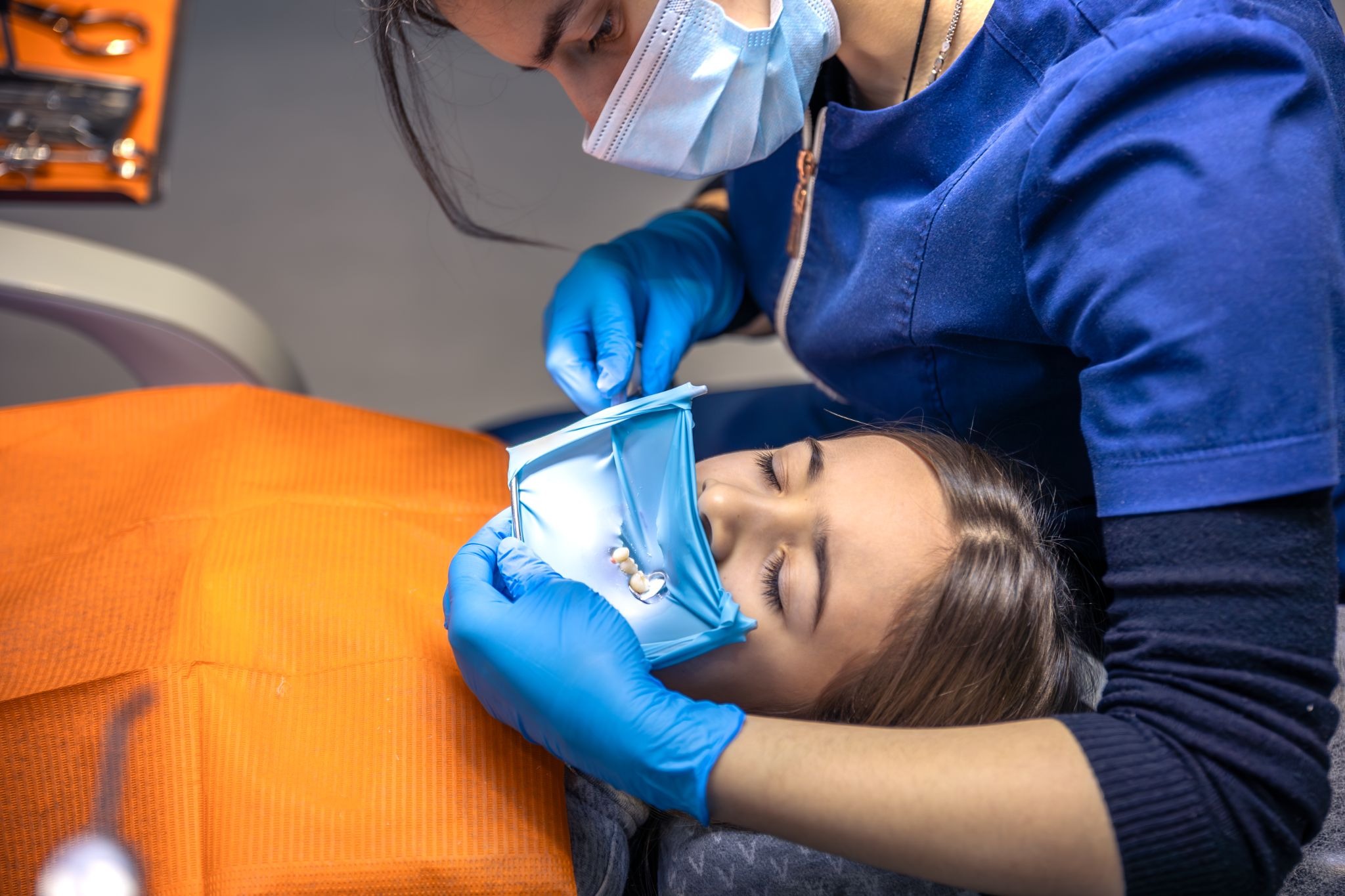
Short answer, yes, if it really hurts. Same goes for swelling, bleeding that keeps going, or a tooth that got knocked out, cracked, or started to feel loose. Those should be seen today. A little chip that doesn't hurt, or a twinge when you drink something cold, can usually wait a day or two. Here are the signs to look out for.
Why You Shouldn't Wait Too Long
A lot of people take a painkiller, feel better, and decide to wait. That's normal. Nobody wants to sit in a dental chair if they don't have to, and it's easy to tell yourself it'll be fine by tomorrow. But teeth don't get better on their own. A small crack can get bigger every time you chew. An infection can spread from the tooth into your gums or jaw.
So the longer you wait, the bigger the fix usually gets. Something that needs a filling can end up needing a root canal. And a tooth that could've been saved might need to come out. Going in early is almost always easier, and cheaper too.
10 Signs You Should See a Dentist Today
If you're not sure about your situation, these are the problems a dentist in Virginia Beach VA would want to see on the same day.
1. Your tooth got knocked out. Pick it up by the top, not the root. Rinse it with water, but don't scrub it. Try to put it back in the socket, or keep it in a cup of milk. Get to the dentist within an hour if you can, because after that the chances of saving it go down a lot.
2. Your toothache is really bad. Especially if it keeps you up at night or painkillers don't help much. If it gets worse when you lie down, that's another clue. This usually means the nerve is infected or inflamed.
3. Your face or gums are swollen. Swelling is generally an indication of the infection, and it might start off as a swelling of your gum that works its way into your cheek.
4. You broke a tooth and it hurts. A small chip without pain can wait. But if a big piece broke off, or it hurts with cold drinks or air, get it checked today. Try not to chew on that side until then.
5. It hurts when you bite down. If the pain is sharp, and especially if it hits when you let go, you might have a crack you can't see. These are pretty common in people who chew ice.
6. A tooth feels loose. Adult teeth shouldn't move. It could be from an injury, gum disease, or bone loss. Leave it alone and don't keep pushing on it with your tongue.
7. You have a bump on your gum. A small bump that looks like a pimple, or a salty taste in your mouth, can mean an abscess. Even if it doesn't hurt much, it needs treatment.
8. Bleeding won't stop. After an injury or a tooth pulled, if it's still bleeding after 15 to 20 minutes of pressing gauze on it, call your dentist.
9. Your crown or filling came out. If the tooth hurts or feels sharp, call. Keep the crown with you, they can sometimes put it back. Don't try to glue it back on yourself.
10. Your implant feels loose or sore. An implant should never move. If it does, or the gum around it is swollen, get it looked at.
What to Do Until You See the Dentist
Rinse your mouth with warm salt water a few times. Put a cold pack on your cheek for around 15 minutes. If needed, you can use ibuprofen or acetaminophen. Have a diet of soft food like soups and eggs, and chew from the other side. If your broken tooth is irregularly surfaced, using some sugarless chewing gum or dental wax will assist in covering it up.
Avoid placing aspirin directly on your gums. This practice is common; however, it may burn your gums.
When to Go to the ER
Go to the emergency room if the swelling makes it hard to breathe or swallow, if you have a high fever with a swollen face, or if you got hit hard in the face. The ER can help with pain and infection, but they usually don't fix teeth. So after that, see a dentist in Virginia Beach VA to take care of the tooth.
What Happens After
At your first visit, the dentist will mostly focus on stopping the pain and any infection. They will then discuss the treatment options available. These might include a filling, a crown, a root canal or extraction of the tooth.
However, it is advised not to wait too long when it comes to extracting your tooth. Bone deterioration begins and adjacent teeth begin shifting. It is for this reason that many people seek dental implants at Virginia Beach dentists after such emergencies. Dental implants replace the tooth roots and help maintain proper bone health.
In case you reside in Hampton Roads, RB Comprehensive Dentistry provides assistance with any kind of dental emergency. They offer their services at Virginia Beach and Chesapeake clinics. They also offer restorative and implantation procedures, therefore, you can have your current pain taken care of and make future arrangements with the same dentists. Getting in touch with them at the earliest will give you the highest chances of saving your tooth.
Not sure if it is an urgent situation yet? Call your dentist and inform him about the condition you are facing. Your dentist will be able to tell you whether you should come in right away.
FAQs
1. Is there any way, a cracked tooth to heal by itself?
No, it is not possible. Your teeth do not mend themselves as bones do. The crack keeps getting worse with time because of chewing.
2. Why does my tooth hurt only during chewing?
In most cases, there is a small crack, and it tends to pain after chewing. There is also the chance that you have either a high filling or a cavity between the teeth.
3. How to deal with the toothache before seeing a dentist?
Can take ibuprofen or acetaminophen if possible. Apply ice to the cheek near the aching tooth. Chew food on the opposite side from the painful tooth. Never apply aspirin directly to gums since it burns.
4. My toothache stopped. Do I still need to go?
Yes, it's a good move. There are cases when the ache has stopped due to the dead nerve, but there is still an infection in the tooth. A dentist can do an X-ray to detect any problems.
5. Can a cracked tooth be saved?
Often yes. Tiny cracks can be treated through bonding or crowning. Big cracks may require root canal treatment first. In case of cracking under the gum line, the tooth cannot be saved.
Conclusion
Recognizing the signs of a dental emergency can help you seek timely treatment and prevent minor dental problems from becoming more serious. Severe tooth pain, facial swelling, persistent bleeding, knocked-out teeth, and loose dental implants should never be ignored. While temporary home care may help relieve discomfort, it cannot replace professional dental treatment. If you experience any of these symptoms, contact your dentist promptly. For patients in Virginia Beach and Chesapeake, RB Comprehensive Dentistry offers emergency and restorative dental care to address urgent concerns and help protect long-term oral health.


