

Knee injuries, especially among athletes and older adults, often lead to meniscus surgery. The meniscus, which cushions the knee, can tear due to injury or degeneration. Surgery helps repair or remove the damaged tissue, restoring mobility and reducing pain.
In India, nearly 1 in 5 people over 50 suffer from knee pain, often due to osteoarthritis or meniscus injuries. With the rising number of knee surgeries, understanding postoperative complications such as swelling is crucial.

Recent studies for 2024-2025 indicate a growing demand for knee surgeries driven by the aging population and sports injuries, with a 5-7% annual increase expected. Swelling 3 months after meniscus surgery may indicate improper rehabilitation, infection, or a new injury. Research highlights the need for personalized rehabilitation to prevent long-term complications such as pain or stiffness.
This blog delves into the causes of persistent knee swelling post-surgery, the science behind it, and potential long-term effects. Proper management is essential for optimal recovery and mobility.
How Long Does It Take for Swelling to Go Down After Torn Meniscus Surgery?

Swelling is a common response after any surgery, including meniscus surgery. Immediately after the surgery, the body directs fluids to the injured area as part of the healing process. Typically, the initial swelling decreases within 2-3 weeks post-surgery. However, some patients continue to experience knee swelling 3 months after meniscus surgery.
The prolonged swelling may be due to several factors:
* Incomplete Healing: The surgical site may not have fully healed, especially if post-operative care was inadequate or the patient resumed physical activities too soon.
* Inflammation: Chronic inflammation due to an autoimmune response or joint irritation may prolong swelling.
* Fluid Retention: Synovial fluid accumulation in the joint, known as an effusion, can also cause persistent swelling.
Did you know?
- According to a 2023 survey, about 15% of patients in India experience knee swelling three months after meniscus surgery.
- If you're over 50, your chances of prolonged swelling increase to 20%, compared to just 10% in younger patients.
- Women are a bit more prone to post-surgical swelling, with 18% reporting issues versus 12% of men.
- Sticking to a structured rehabilitation program can reduce the likelihood of prolonged swelling by 30%
Diagnosing the Cause of Knee Swelling
Clinical Examination:
The first step in determining the reason behind knee swelling is having a clinical examination carried out by a healthcare provider. The process entails evaluating the medical history of the patient and examining the knee as well as an evaluation of the patient’s rehabilitation progress.
Imaging Tests:
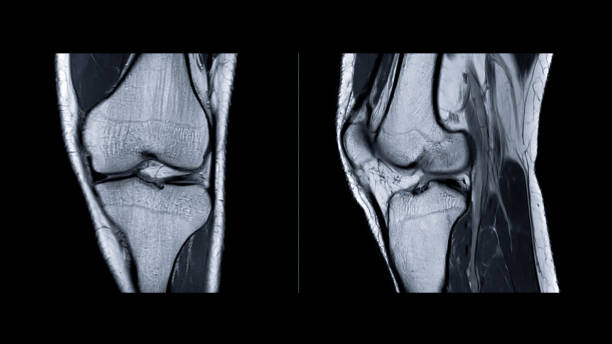
* X-rays: To exclude any possibility of having fractures or other problems related to bones.
* MRI: For assessing the soft tissue including meniscus, ligaments, and cartilages.
* Ultrasound: To detect the presence of fluid accumulation in the knee joint.
Laboratory Tests:
It involves performing blood tests to determine the presence of infections or inflammation. If there is suspicion of infection, the knee fluids can be aspirated and analyzed.
Treatment Options for Knee Swelling 3 Months After Meniscus Surgery
1. Physical Therapy
Continued physical therapy is one of the recommended treatment options. The therapy would involve various exercises aimed at strengthening the knee joint, improving flexibility and enhancing blood circulation, thereby reducing inflammation and swelling.
2. Drugs
Various non-steroidal anti-inflammatory drugs (NSAIDs), such as ibuprofen or naproxen, can be prescribed in order to reduce pain and inflammation. In some cases, corticosteroid injections may be administered to reduce the severe swelling.
3. Rest and Icing

Resting while elevating the leg and regularly applying ice to the knee are ways to reduce knee swelling and inflammation. The application of ice packs a few times each day is advised in case of swelling.
4. Compression
Wearing a knee brace or a compression bandage can help manage knee swelling by improving blood flow and preventing fluid buildup.
5. Surgery
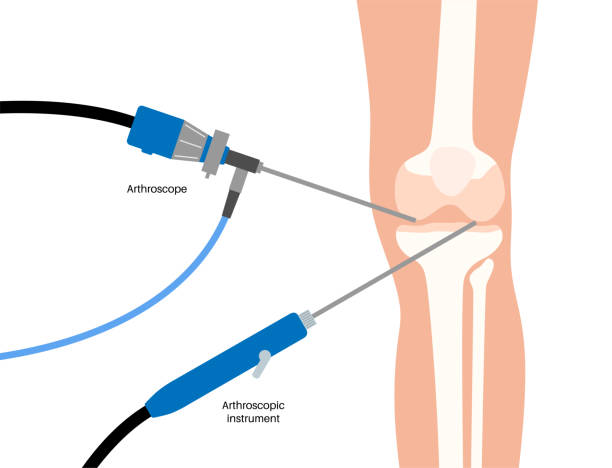
In very rare cases, surgery may be required to remove scar tissue, drain excess fluid and address infection, when none of the above methods work effectively in dealing with the issue of swelling.
Prevention of Knee Swelling After Meniscus Surgery
1. Adherence with Rehabilitative Protocols:
Compliance with rehabilitation program plays a significant role in preventing complications such as swelling. This entails close coordination with one's physiotherapist to ensure appropriate progress.
2. Gradual Return to Activity:
Gradually returning to normal activities, avoiding strenuous physical activities like high impact sports and lifting heavy objects will prevent swelling of the knee joint.
3. Scheduled Medical Visits:
Scheduled medical visits with the specialist who conducted the surgery will help monitor one's knee joint and detect any problems with its recovery.
4. Proper Nutrition:
A balanced diet comprising anti-inflammatory foods, including leafy vegetables, nuts, fatty fish, and fruits, can help reduce inflammation and support recovery.
What Are the Symptoms of a Failed Meniscus Surgery?

While meniscus surgery is generally successful, in some cases, patients may experience symptoms indicating that the surgery did not achieve its intended results. Recognizing these symptoms early can help in addressing the issues before they worsen.
Common Symptoms of a Failed Meniscus Surgery:
- Persistent Pain:
Stabbing pain after meniscus surgery, particularly during movement, can indicate that the meniscus has not healed properly or that there is ongoing irritation in the knee joint.
- Continued Swelling:
If the swelling persists beyond three months, it could suggest complications such as incomplete healing, infection, or a reaction to the surgical materials used.
- Limited Range of Motion:
Difficulty fully bending or straightening the knee indicates that the surgery might not have effectively restored its function.
- Locking or Catching:
If the knee continues to lock or catch during movement, it may indicate that the meniscus tear was not adequately repaired.
When Will My Knee Feel Normal After Meniscus Surgery?
The timeline for recovery from meniscus surgery can vary significantly depending on several factors, including the extent of the tear, the type of surgery performed, and the patient’s adherence to rehabilitation protocols. Most patients can expect to return to normal activities within 3 to 6 months, but it's essential to note that the knee might not feel entirely "normal" for up to a year.
| Recovery Stage | Timeline Post-Surgery | Activities |
Initial Recovery | 0-2 Weeks | Pain and swelling reduction, limited movement |
Mobility Restoration | 2-6 Weeks | Range of motion exercises, light weight-bearing |
Strength Building | 6-12 Weeks | Strengthening exercises, increased mobility |
Resuming Activities | 3-6 Months | Return to most daily activities |
Full Recovery | 6-12 Months | Gradual decrease in residual stiffness or discomfort |
Are there any Long-Term Problems After Meniscus Surgery?

While meniscus surgery is effective for many, some patients may face long-term complications. Understanding these potential issues can help manage expectations and seek appropriate interventions when necessary.
Common Long-Term Issues:
- Chronic Knee Pain:
Some patients may experience knee pain 1 year after meniscus surgery, which could be due to arthritis, scar tissue, or an incomplete meniscus repair.
- Reduced Knee Stability:
Removing or trimming the meniscus can decrease the stability of the knee joint, making it more susceptible to future injuries.
- Development of Osteoarthritis:
The meniscus plays a crucial role in protecting the cartilage in the knee joint. Without a fully functional meniscus, the risk of developing osteoarthritis increases over time.
FAQs
1. Why is my knee still swollen 3 months after meniscus surgery?
Persistent swelling three months after surgery may be due to incomplete healing, fluid retention, or ongoing inflammation. If the swelling persists, consult your doctor to rule out any complications.
2. Why is my knee still swollen 4 months after surgery?
If the swelling continues beyond four months, it could indicate a more severe issue, such as infection, scar tissue formation, or improper healing. It is recommended that you follow up with your healthcare provider.
3. How to sleep after meniscus surgery?
Sleeping with your knee elevated on pillows can help reduce swelling. It's also advised to sleep on your back or side to avoid putting pressure on the knee.
4. What can I do to reduce knee swelling after meniscus surgery?
Rest, ice therapy, compression, and elevation effectively reduce swelling. Continuing with physical therapy and taking anti-inflammatory medications can also help.
5. When should I be concerned about knee swelling after surgery?
You should be concerned if the swelling is accompanied by severe pain, redness, or fever or persists despite treatment. These could be signs of an infection or other complications.
References:
https://www.webmd.com/pain-management/knee-pain/meniscus-tear-surgery
https://www.ortho.wustl.edu/content/Patient-Care/2892/Services/Sports-Medicine/Overview/Knee/Meniscus-Repair.aspx


