

Ovarian cysts are fluid-filled sacs that develop on or inside the ovaries. Many ovarian cysts are harmless, small, and may disappear on their own without causing symptoms. However, some cysts can grow larger, create discomfort, or require medical attention depending on their type and size. After a hysterectomy, some women are surprised to learn that ovarian cysts can still occur, especially if one or both ovaries were preserved during surgery.
If you are wondering what causes ovarian cyst after hysterectomy, the answer often depends on hormone activity, remaining ovarian tissue, age, and the type of hysterectomy performed. At ClinicSpots, we help patients connect with trusted gynecologists and hospitals across India and abroad. Over the years, we have assisted thousands of women in getting clear answers about post-hysterectomy concerns, from diagnosis to treatment planning. With verified specialists and honest advice, we make it easier for you to find the right care at the right time.
Understanding Ovarian Cyst After Hysterectomy
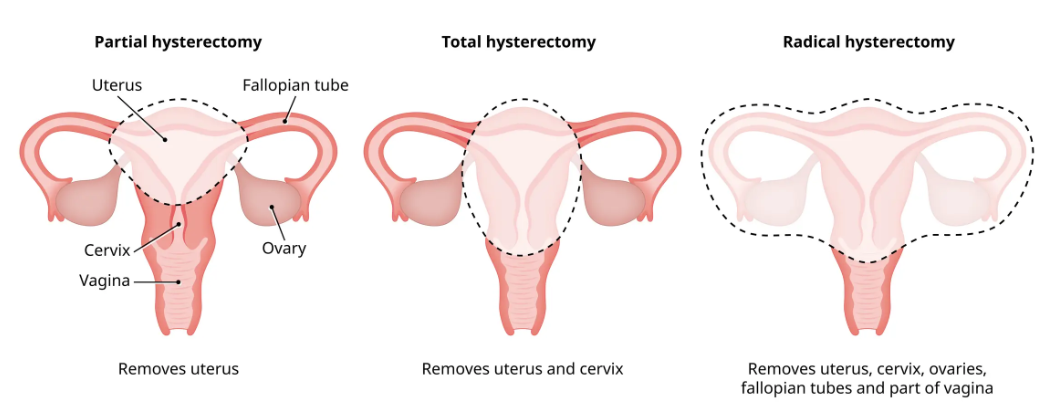
A hysterectomy is the surgical removal of the uterus. In some procedures, the ovaries are left in place, while in others, they may also be removed. If the ovaries remain, they can continue normal hormonal function and may still develop cysts.
Even when ovaries are removed, rare conditions such as ovarian remnant syndrome can lead to cyst formation if tiny ovarian tissue remains behind. This is why ovarian cysts after hysterectomy are possible in certain cases.
Not every cyst is dangerous, but every cyst deserves a proper look. Connect with a trusted specialist today for a clear evaluation.
Not sure if your discomfort is normal or a warning sign? Let's dive into the most common symptoms women notice.
Symptoms of Ovarian Cysts After Hysterectomy

Women may dismiss pelvic pain as normal. However, persistent symptoms should always be taken seriously since they could indicate a condition such as an ovarian cyst.
These are the symptoms to look out for:
* Pelvic pain: A dull or sharp ache on one side of lower belly.
* Bloating: A feeling of being bloated despite having food.
* Increased urination: This may occur because of the compression of the bladder.
* Lower back pain: Sporadic pain in the lower part of the spine with no known cause.
* Painful sexual intercourse: Pain during sex which did not exist prior to the surgery.
* Nausea: An upset stomach linked with abdominal pressure.
Thinking about why cysts still appear when the uterus is already removed? Let's discover the main causes behind this concerning issue.
Causes of Ovarian Cyst After Hysterectomy

Some causes behind ovarian cysts developing post-hysterectomy include:
1. Ovaries Left Intact During Surgery
Ovarian cysts could arise in cases where one or both ovaries are preserved following the hysterectomy procedure.
2. Hormonal Activity
Cycles of normal hormonal activity can stimulate the ovaries, leading to follicular or corpus luteum cysts.
3. Endometriosis
Endometriosis patients may be at risk of developing endometrioma cysts post-hysterectomy, especially if there is ovarian tissue.
4. Ovarian Remnant Syndrome
In cases where minute pieces of ovarian tissue are accidentally left behind during ovary removal surgery, cysts could develop in that tissue.
5. Benign Growths
In rare circumstances, benign cysts like dermoid cysts or cystadenomas can develop independently.
6. Scar Tissue or Adhesions
Sometimes, post surgical adhesions and scar tissue could trap the ovarian tissue or cause pain that mimics cyst symptoms.
Worried about how doctors treat these cysts? Let's explore the safe and effective options available today.
Treatment Options for Ovarian Cysts After Hysterectomy
Treatment depends on the size, type and symptoms of cyst. If small and non-cancerous, doctors recommend observation or medication but other large cysts may require surgical intervention. It is always a gynecologist who determines what will work best depending on the tests conducted.
Main treatment choices include:
· Observation/ Monitoring: This involves close watching over small, non-symptomatic cysts as a way of ensuring that they resolve themselves eventually.
· Medications: In order to reduce the likelihood of getting new cysts, patients are put on hormonal medications.
· Surgical Intervention:

1. Laparoscopy: A minimally invasive procedure for removing cysts using small incisions.
2. Laparotomy: A more invasive surgery is needed for larger cysts or when cancer is suspected.
· Pain Relief: Use of analgesics in managing cyst-related pain.
· Regular Check-ups: Ongoing medical appointments are important for monitoring cysts and overall health.
Conclusion
Developing an ovarian cyst after hysterectomy can happen when ovaries are preserved or when small ovarian tissue remains active. Most cysts are benign, but persistent pain, bloating, or sudden discomfort should never be ignored. Early diagnosis through imaging and expert consultation helps ensure safe and effective treatment.
Reliable care makes all the difference in your recovery journey. Speak with a trusted gynecology expert today for safe and personalized guidance.
FAQs
1. Can a hysterectomy completely prevent ovarian cysts?
No, a hysterectomy does not fully prevent ovarian cysts. This remains true when the ovaries are left in place. Cysts can still form due to hormonal activities or other conditions.
2. How are ovarian cysts detected after a hysterectomy?
Doctors find ovarian cysts through pelvic exams, ultrasound, or other imaging techniques. They use these techniques to check the reproductive organs.
3. What lifestyle changes can help manage ovarian cysts after hysterectomy?
Maintaining a healthy weight, managing stress, and eating a balanced diet can help regulate the body's hormones. This may reduce the formation of cysts. Regular medical check-ups are also essential.
4. Are these cysts usually cancerous?
Most are harmless and benign. Still, doctors run scans and blood tests just to stay on the safe side.
5. Do all ovarian cysts need surgery?
No, only large, painful, or complex cysts usually need surgical removal.
6. Why didn't my doctor remove my ovaries during the hysterectomy?
Ovaries are usually kept to maintain hormone balance, especially in younger women. Removing them early can push the body into sudden menopause.
7. When should I rush to a doctor?
If pain becomes sharp and sudden, or is accompanied by fever, vomiting, or fainting, get medical help right away.
References:
https://saudijournals.com/media/articles/SIJOG_45_182-186_FT.pdf
https://medtube.net/gynecology/medical-videos/33406-ovarian-cyst-post-hysterectomy


