

Government eye hospitals in Mumbai play a key role in providing affordable and accessible eye care, offering various ophthalmological services from routine check-ups to advanced treatments like cataract and glaucoma care. They are especially important for low- and middle-income populations.
Recent insights highlight both progress and gaps.
The Mumbai Eye Disease Study (MEDiS) revealed that annual eye check-ups remain low, particularly among lower-income groups, with only about 48–50% undergoing regular screening compared to 85% in higher-income populations. In addition, recent healthcare updates in 2025–2026 show Mumbai is adopting AI-based eye-screening programs in public healthcare to improve early detection and reduce preventable blindness. These developments indicate a shift toward more accessible, technology-driven eye care, while also underscoring the need to improve awareness and service reach.
In this blog, we will delve into the key aspects of government-run eye care facilities in Mumbai and nearby locations. Let’s shed light on their services, impact, challenges, and their crucial role in ensuring eye health for all.
Explore the Top Government Eye Hospitals in Mumbai. Read further!
1. Municipal Eye Hospital
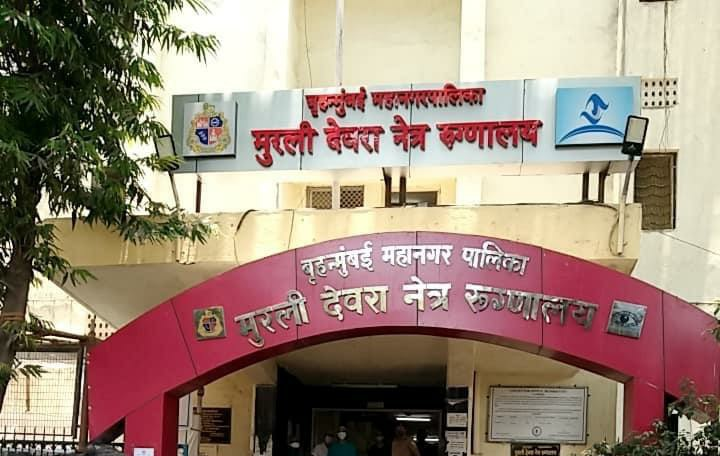
Address: 197/1-13, Maulana Shaukat Ali Road, Chor Bazaar, Kamathipura, Mumbai, Maharashtra 400008
Establishment Year: 1983
Number of beds: 102 (Proposed)
Services: General ophthalmology, cornea and external eye diseases, glaucoma, cataract, and retinal services. It also caters to paediatric patients with eye problems. Conducts more than 20 eye surgeries weekly.
Facilities: Equipped with state-of-the-art equipment. Has a team of experienced ophthalmologists, technicians, and support staff.
Also known as Murli Deora Eye Hospital, it is the only dedicated civic hospital run by the BMC in Mumbai. It covers around 200 patients every day.
Future scope: BMC has plans to convert this hospital into a 17-floor multispeciality hospital with two floors specifically for ophthalmology. It will also cater to dialysis and cancer treatment.
2. Sir J J Hospital (Affiliated with Grant Government Medical College)
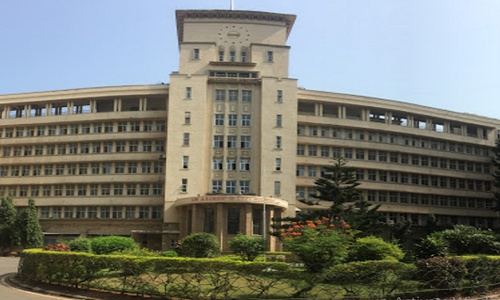
Address: XR6M+V59, Sir, JJ Hospital Road, No. 9, Mumbai, Maharashtra 400008
Establishment Year: 1845
Number of beds: 1352
Services: Cataract surgery, refractive surgery, corneal transplant, and glaucoma treatment. The team consists of highly experienced ophthalmologists.
Advanced Facilities: It is equipped with Subspecialty Clinics. They have been initiated in areas like Cornea, Glaucoma, Vitreoretinal Surgery, Orbit and Oculoplasty, Phacoemulsification, and Squint.
Beneficiary services: The hospital follows the "Jeevandayee Yojna," a Maharashtra government scheme that provides financial aid for costly surgeries like heart, kidney, brain, and orthopedic procedures for patients below the poverty line. Eye camp surgeries are conducted regularly for rural populations and financially weak individuals. It also conducts free operations under the Rajeev Gandhi Jeevandayee Arogya Yojana scheme.
3. Gokuldas Tejpal Eye Hospital (Affiliated with Grant Government Medical College and Sir J J Hospital)
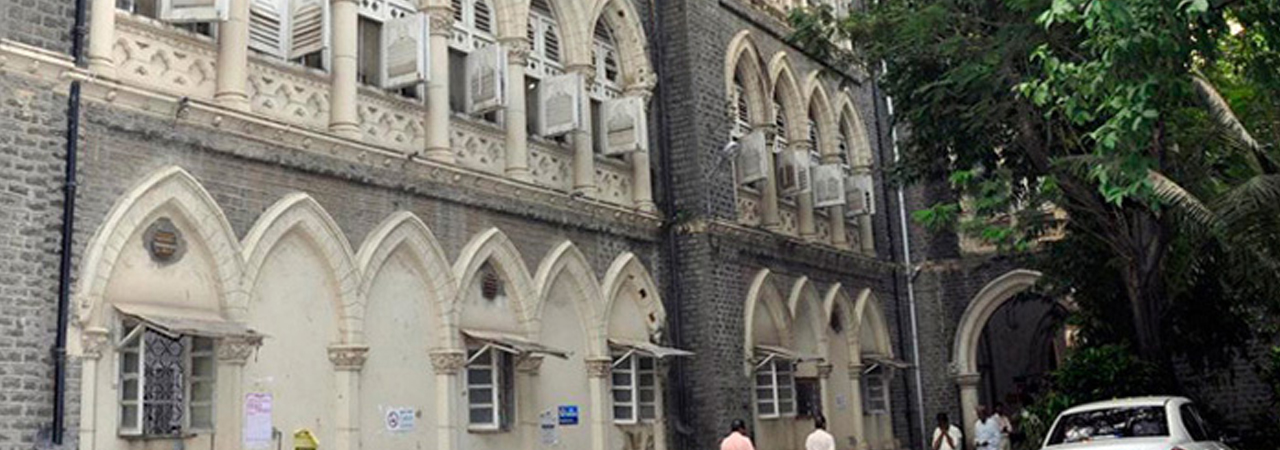
Address: G. P. O, Lokmanya Tilak Rd, near Police Commissioners Office, Dhobi Talao, Chhatrapati Shivaji Terminus Area, Fort, Mumbai, Maharashtra 400001
Establishment Year: 1874
Number of beds: 521 (30 in ophthalmology)
It is a government-run hospital. It is a peripheral hospital of Grant Government Medical College and Sir J. J. Group of Hospitals.
Services: Cataract, Glaucoma, Ophthalmoscopy, Pterygium, Squint, Chalazion, trauma and emergency services
Beneficiary services: Conducts free operations under the Rajeev Gandhi Jeevandayee Arogya Yojana scheme. They conduct free camps for Glaucoma and Squint. They also distribute free spectacles.
4. KEM Hospital
Address: Acharya Donde Marg, Parel East, Parel, Mumbai, Maharashtra 400012
Establishment Year: 1926
Number of beds: 2250 (72 in ophthalmology)
Services: Covers surgeries like glaucoma, squint, oculoplasty, and pediatric cataract surgery. Procedures like intraocular lens implantation, keratoplasty, fluorescein angiography and vitreoretinal surgery are carried out. Doctors at KEM aim to treat preventable blindness. It also has a contact lens clinic.
Specialised services: Corneal topo, B scan, OCT, optical biometry, handheld pachymetry, auto refractometer for paediatric evaluation, VEP, ERG.
Facilities: There is a special ward for keratoplasty patients. Diagnostic facilities such as ultrasound, slit lamp, perimetry, and fundus camera are available. There is a well-established eye bank with facilities for enucleation, storage, and use of eyeballs.
Achievements: It is a well-known centre for diseases of the posterior segment of the eye. They are the 1st BMC hospital to acquire a Corneal Topographer with Aberrometer. It also has a Corneal collagen cross-linking machine.
Beneficiary services: Cataract screening camps and school screening camps. Eye donation awareness fortnight, Glaucoma awareness month. They conduct the Gift of Sight III program for those in need to prevent blindness caused by diabetic nephropathy.
5. St. George's Hospital
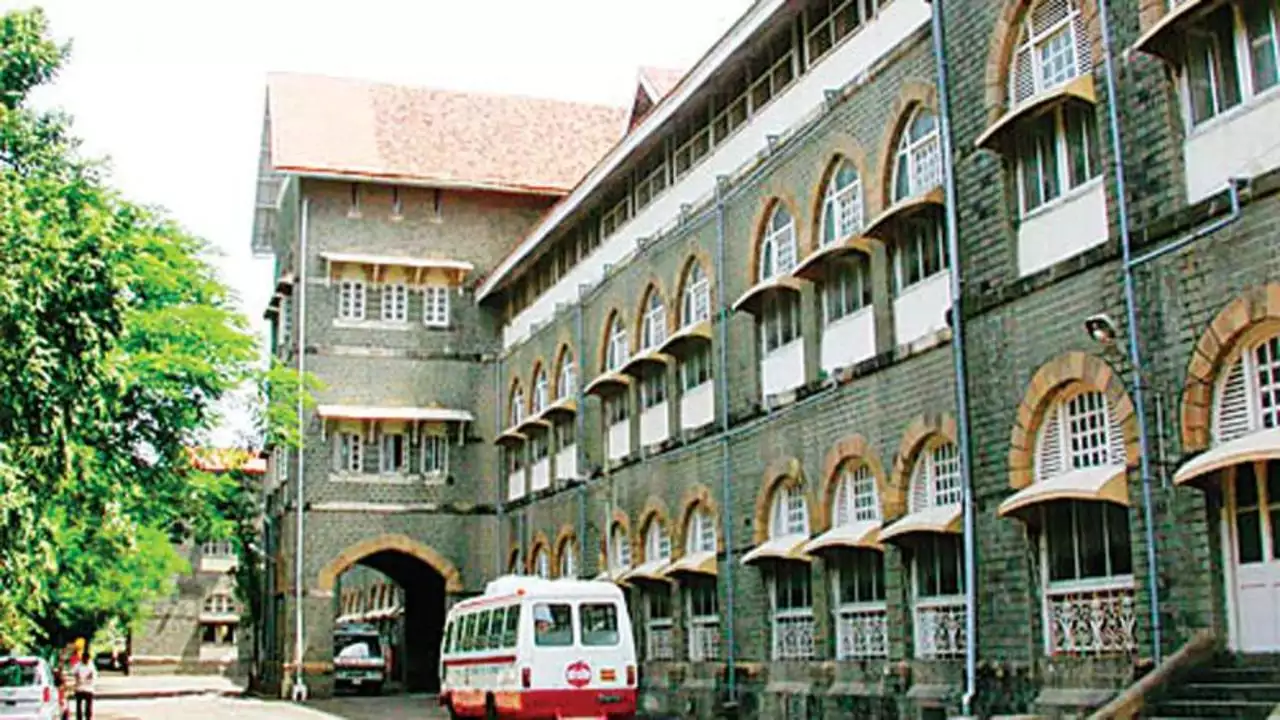
Address: P D'Mello Rd, opposite GPO, beside CST station, Chhatrapati Shivaji Terminus Area, Fort, Mumbai, Maharashtra 400001
Establishment Year: 1906
Number of beds: 460
Services: Ophthalmology services provided
6. Cama & Albless Hospital
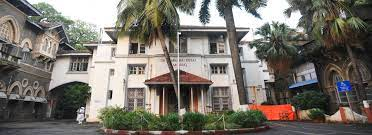
Address: WRRJ+RVQ, BMC office Mahapalika Marg opp. Azad Maidan, Dhobi Talao, Chhatrapati Shivaji Terminus Area, Fort, Mumbai, Maharashtra 400001
Establishment Year: 1886
Number of beds: 367
Services: Specialising as a hospital for women and children. Associated with the JJ Group of Hospitals, a Government hospital providing free service. Equipped with an ophthalmology department, providing eye care services.
Know the eye hospitals associated with beneficiary schemes in Mumbai. Read further!
Hospitals Associated with Central Government Health Schemes and Rajeev Gandhi Jeevandayee Arogya Yojana
- Nair Eye Hospital, New Panvel: Set up hundreds of free eye check-up camps and performed thousands of free cataract surgeries through partnerships with charitable trusts and government schemes, providing subsidized care to economically weaker sections.
- Laxmi Eye Hospital, Panvel: Offers cataract, glaucoma, retina, paediatric ophthalmology, and refractive surgery. Empanelled under multiple government and corporate health schemes.
- Aditya Jyot Eye Hospital: A tertiary care hospital empanelled under CGHS and RGJAY, known for retina services, cornea care, and advanced diagnostics.
- Surya Eye Institute and Research Centre: Empanelled under CGHS, offering cataract surgery, LASIK, glaucoma management, and oculoplasty.
- Lotus Eye Hospital: Provides cataract surgery, refractive procedures, and retinal disorder treatment under government health schemes.
- Arpan Eye Care Hospital: Recognized under RGJAY, offering free and subsidized cataract surgeries, glaucoma treatment, and routine check-ups.
Hospitals Associated with Mahatma Jyotiba Phule Jan Arogya Yojana (MJPJAY)
MJPJAY (formerly RGJAY) covers cashless eye treatments for ration card holders across Maharashtra. Empanelled Mumbai hospitals include:
- Bombay Hospital and Medical Research Centre: Cataract, retina, and cornea procedures under MJPJAY.
- Sir J.J. Group of Hospitals: Government tertiary centre offering free eye treatment, including complex retinal and corneal surgeries.
- KEM Hospital, Parel: Cataract, glaucoma, and paediatric ophthalmology under MJPJAY.
- Lokmanya Tilak Municipal General Hospital (Sion): Free eye treatment across all major sub-specialties.
How to Avail Treatment Under These Schemes
Patients should carry a valid scheme card, ration card, or government ID, along with a referral letter where required. Most empanelled hospitals have dedicated scheme desks for paperwork, pre-authorization, and billing. Cashless treatment is available for listed procedures; coverage can be confirmed via the official scheme portal or the hospital's beneficiary helpdesk before admission.
Conclusion
Mumbai's network of empanelled eye hospitals makes quality eye care accessible to government employees, pensioners, and economically weaker sections. From routine cataract surgery to advanced retina treatment, these scheme-linked hospitals ensure financial constraints do not stand in the way of clear vision.


