

Have you ever wondered how cancer and bone health are connected?
While cancer leads to 10 million deaths worldwide each year, osteoporosis affects around 200 million women globally. It's important to understand this connection because cancer treatments can often weaken bones, leading to osteoporosis.
Why does this matter? Knowing the link between these conditions helps in better-managing health during and after cancer treatment. Share this insight to raise awareness about protecting bone health during cancer care!
What is Osteoporosis?

It's a bone disease that weakens bones, making them fragile and more likely to break. This condition occurs when bones lose minerals, such as calcium, that are more than the body can replace, decreasing bone density or mass.
Dr. Pramod Bhor, orthopedist & joint replacement surgeon in Mumbai, said, "Osteoporosis isn't just about weak bones; it silently destroys independence and mobility. As an orthopedist, I stress early detection, personalized treatment, and lifestyle adjustments to prevent fractures and maintain quality of life."
Symptoms of Osteoporosis:
- Silent Progression: Often, there are no symptoms until a bone breaks.
- Fractures: occur in the spine, wrist, or hip.
- Height Loss: Gradual loss of height and stooped posture over time.
Impact on Bones:
- Bone Thinning: Bones become thinner and weaker.
- Increased Fragility: Minor falls or bumps can cause serious fractures.
Recognizing osteoporosis early can reduce the risk of fractures and improve quality of life.
The Connection Between Cancer and Osteoporosis
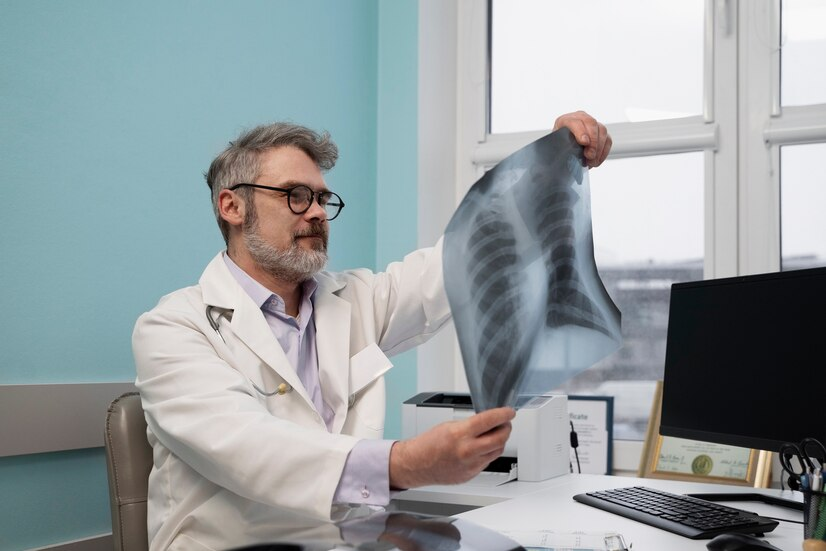
Certain cancers and their treatments can impact bone health, leading to osteoporosis.
"Osteoporosis and cancer are two separate but related health issues that can affect cancer patients. Certain cancer treatments, such as chemotherapy and hormonal therapies, can accelerate bone loss and increase the risk of osteoporosis. Managing bone health is essential for cancer patients to maintain their overall well-being and quality of life. I emphasise the importance of comprehensive care, including regular bone density monitoring, appropriate supplementation, and lifestyle modifications, to minimise the risk of osteoporosis and optimise treatment outcomes for cancer survivors."- Dr. Sridhar PS, one of the renowned radiation oncologists in Bangalore
Cancer's Impact on Bone Health:
- Bone Metastasis: Some cancers, like breast and prostate, spread to bones, weakening them.
- Multiple Myeloma: This type of cancer originates in the bone marrow, affecting bone density and strength.
Effects of Cancer Treatments:
- Chemotherapy: Certain chemotherapy drugs can reduce bone density by altering the hormonal balance that protects bone health.
- Steroids: Often used to treat cancer, steroids can also speed up bone density loss.
- Hormone Therapy: Treatments that alter hormone levels, such as estrogen and testosterone, can weaken bones.
Risk Factors and Prevention
Many risk factors for these conditions overlap, and understanding them can help in prevention and management.
Shared Risk Factors:
- Age: The risk for both conditions increases with age.
- Low Physical Activity: A sedentary lifestyle can lead to weaker bones and increase cancer risk.
- Poor Diet: Lack of calcium and vitamin D can lead to osteoporosis; a diet high in processed foods can increase cancer risk.
- Smoking and Alcohol: Both are risk factors for many cancers and can also decrease bone density.
Prevention and Management Tips:

- Dietary Changes: Increase calcium and vitamin D intake through foods like dairy products, leafy greens, and fish. Reduce processed and sugary foods to lower cancer risk.
- Regular Exercise: Weight-bearing exercises, like walking and resistance training, strengthen bones and can help prevent cancer.
- Lifestyle Adjustments: Quit smoking and limit alcohol consumption to improve health.
- Medical Check-ups: Regular screenings for bone density and cancer can detect problems early when they are most treatable.
Start making healthier lifestyle choices today to protect against cancer and osteoporosis tomorrow!
Treatment Options for Patients with Both Conditions
It's crucial to have a coordinated treatment strategy that addresses both conditions.
Treatment Strategies:
- Integrated Care: Treatment plans should integrate oncology and orthopedic care to manage cancer and bone health.
- Medications: Bisphosphonates can help manage osteoporosis and are also used to treat bone metastases in cancer patients. Other medications that might support bone health include calcium and vitamin D supplements.
- Physical Therapy: Tailored exercise programs designed to strengthen bones and improve mobility without increasing the risk of fractures.
Role of Healthcare Providers:
- Coordinated Management: Oncologists and orthopedists should work together to create a treatment plan that considers the impact of cancer treatments on bones.
- Monitoring and Adjustments: Regular monitoring of bone density and adjustments to cancer therapy to cut the risk of osteoporosis.
Why is coordinated care important? Effective management of both cancer and osteoporosis can lead to better health outcomes and quality of life.
Latest Research and Developments

Staying updated on the latest research can offer new hopes for managing cancer and osteoporosis.
Recent Studies and Breakthroughs:
- Recent research has brought exciting developments in treating and understanding both cancer and osteoporosis:
- Bone-Density Preserving Drugs: Studies show that drugs like denosumab, used for osteoporosis, can also prevent bone loss in cancer patients receiving certain hormone therapies.
- Genetic Research: Genetic profiling has pinpointed specific genes that affect cancer progression and bone density. These discoveries could lead to new targeted treatments.
- Improved Imaging Techniques: New imaging technologies can detect changes in bone density and bone metastases earlier, allowing for faster treatment.
- Nutritional Research: Recent studies highlight the importance of vitamin D and calcium. These nutrients are crucial for bone health and may help reduce cancer risk.
- Why is this important? These advancements enhance our ability to understand and treat both conditions, improving patient outcomes and care.
Conclusion
The relationship between cancer and osteoporosis highlights how treatments for one can affect the other and emphasizes the need for comprehensive care. Key takeaways include understanding the diseases, recognizing shared risk factors like lifestyle and diet, and exploring integrated treatment strategies. Staying informed about the latest research is crucial for effective management.
Reference
https://www.ncbi.nlm.nih.gov/pmc/articles/PMC3783531/
https://www.urmc.rochester.edu/encyclopedia/content.aspx?contenttypeid=34&contentid=26577-1
https://my.clevelandclinic.org/health/diseases/17745-bone-cancer


