

Rheumatoid arthritis (RA) and cancer are different, but they greatly impact health. RA is a chronic autoimmune disorder that causes joint inflammation and pain. Cancer is the uncontrolled growth of cells that can spread to various body parts. This guide explains how these two serious health conditions influence each other, provides key insights into the risks, and covers the precautions for patients with both conditions.

Concerned about the risk of cancer associated with rheumatoid arthritis? Book a consultation with the specialists at the best cancer hospitals in India to get personalized advice and proactive screening.
How Does Cancer Affect Rheumatoid Arthritis?
Cancer and rheumatoid arthritis (RA) have complex interactions. People with RA have a higher risk of certain cancers, including lymphomas, lung cancer, and skin cancer. The reasons behind this association are multifactorial. Let’s explore how cancer can impact RA:
- Chronic Inflammation: RA is characterized by chronic inflammation. Inflammation can promote cancer development by affecting cell growth and DNA repair mechanisms.
- Immune System Dysregulation: RA involves immune system dysfunction. Abnormal immune responses may contribute to cancer risk.
- Medications: Some RA medications (like immunosuppressants) may alter cancer risk.
But here's an important question: How does cancer manage rheumatoid arthritis? Let's dive deeper.
Cancer can indirectly affect the progression of rheumatoid arthritis. Cancer's presence can lead to a reevaluation of RA treatment plans. This is especially true if the plans involve immunosuppressive drugs. Also, a cancer diagnosis and treatment can worsen RA. This makes management harder.
Dr. Sridhar PS, radiation oncologist in Bangalore, shares his insights: "The connection between cancer and rheumatoid arthritis lies in the intricate interplay between chronic inflammation and immune dysregulation. While rheumatoid arthritis primarily affects the joints, the systemic inflammation it triggers can also increase the risk of certain cancers. Conversely, some cancer treatments, such as immunotherapy, may exacerbate autoimmune conditions like rheumatoid arthritis. Understanding these complex relationships is crucial for providing comprehensive care to patients with both conditions."
Does Rheumatoid Arthritis Increase Your Risk of Cancer?
Patients with rheumatoid arthritis are at a higher risk of certain cancers. This is especially true for lymphoma and lung cancer. This increased risk is mainly due to the chronic inflammation of RA. It can cause cancer.
Common Cancers Associated with Rheumatoid Arthritis
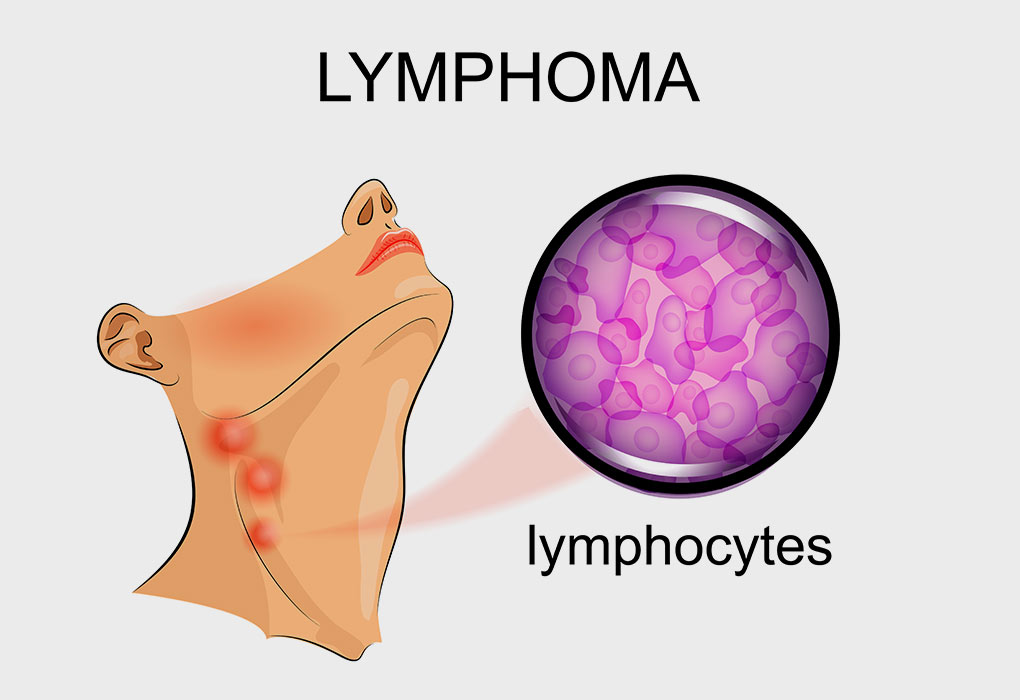
- Lymphoma: Lymphomas are cancers of the blood. People with RA have twice the average risk of developing lymphomas. The two main types are non-Hodgkin’s lymphoma and Hodgkin’s lymphoma. The increased risk is likely due to continued disease activity and immune stimulation.
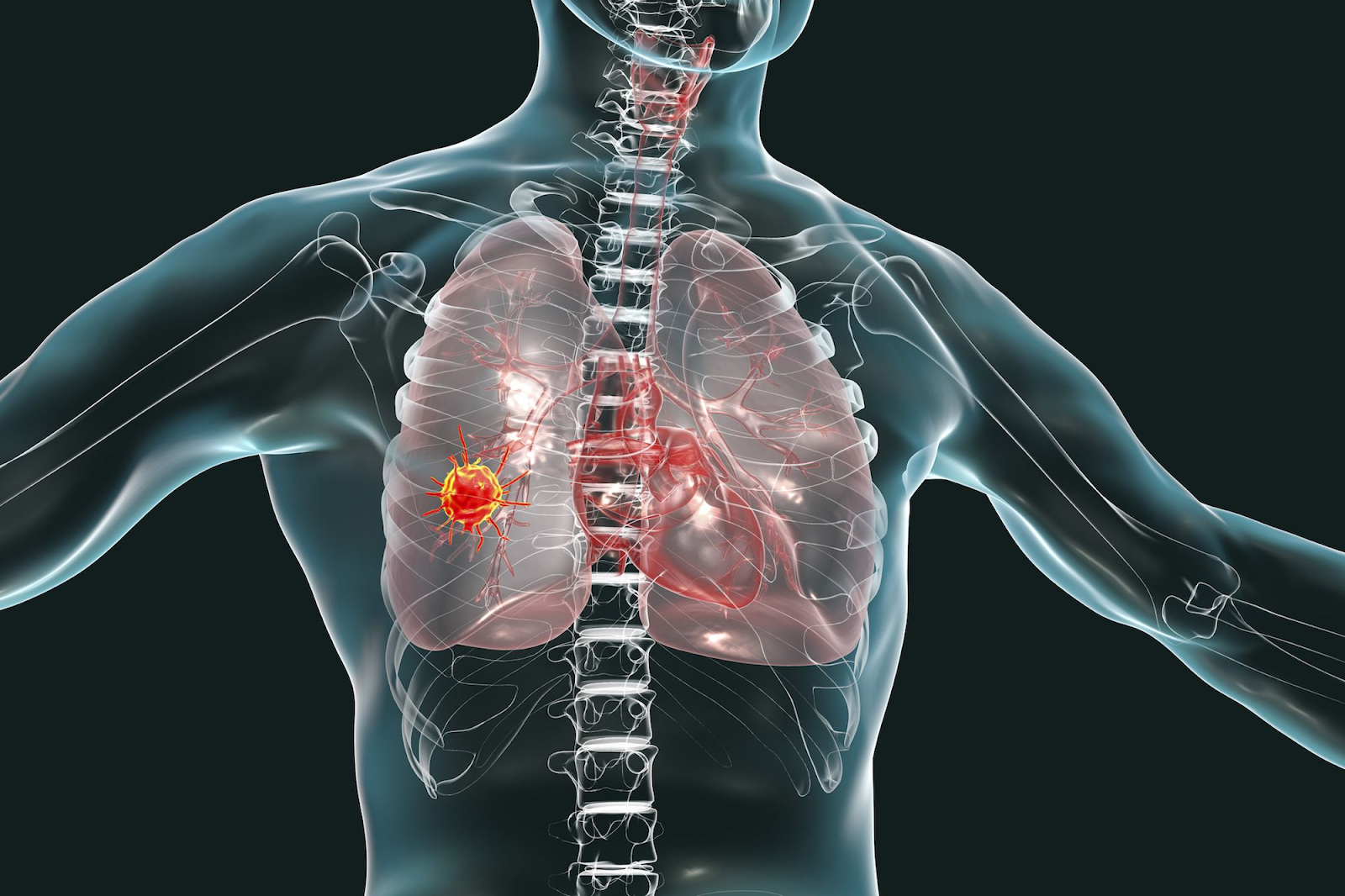
- Lung Cancer: RA is associated with an elevated risk of lung cancer. Smoking is a major factor, but even non-smokers with RA have a 40% higher risk of developing lung cancer compared to non-smokers without RA. Chronic inflammation may contribute to this increased risk.
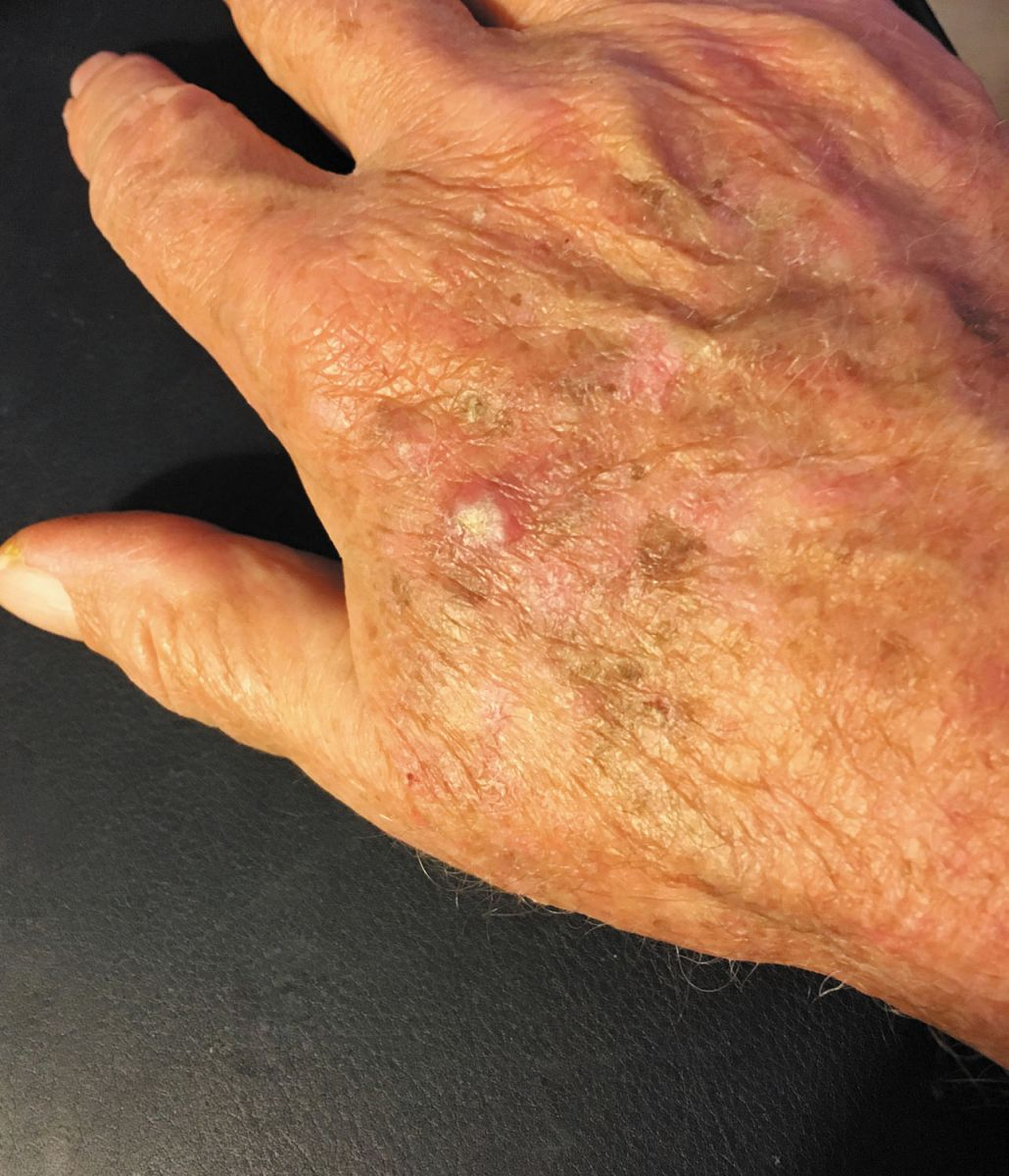
- Skin Cancer: There is a slightly higher occurrence of non-melanoma skin cancers, like squamous cell and basal cell carcinoma, in people with rheumatoid arthritis, often linked to the effects of certain RA medications.
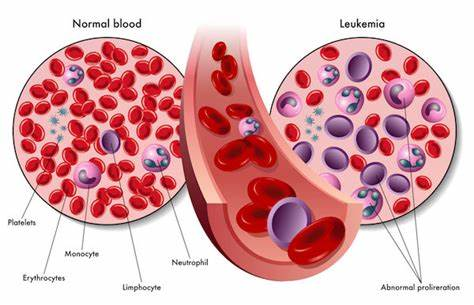
- Leukemia: Although less common than the others, there is a slight increase in the risk of leukemia in people with rheumatoid arthritis, related to the overall inflammatory and immune environment of the body.
And that's not all: There's more to understand about the medications used in RA. Could they be increasing your cancer risk?
Can Rheumatoid Arthritis Medications Lead to Cancer?
Some medications treat rheumatoid arthritis. They, especially those that suppress the immune system, may raise the risk of cancer. Some RA medications, such as immunosuppressants and some biologic agents, slightly raise the risk of skin cancers and lymphoma. However, the risk varies widely. It depends on the type of medication and the patient's characteristics. Cancer drugs can cause joint pain and swelling. These are temporary, but they can greatly harm the quality of life.
It’s essential to weigh the risks and benefits when deciding on a medication, considering that poorly controlled RA not only damages joints but also raises the risk for heart disease and other threats. For many, the benefits of managing rheumatoid arthritis far outweigh the risks of cancer.
What Should Rheumatoid Arthritis Patients Know About Cancer Risk?
- Increased Risk: RA patients have a higher risk of certain cancers, including lymphoma, lung cancer, and skin cancer.
- Role of Inflammation: Chronic inflammation from RA can contribute to an increased cancer risk.
- Medication Impact: Some RA medications, especially immunosuppressants, might elevate cancer risk.
- Monitoring is Key: Regular cancer screenings and close monitoring are essential. They help find and manage cancer early.
- Lifestyle Factors: They include making healthy choices, such as not smoking, eating well, and exercising. These choices can help reduce cancer risk.
Are you curious to learn more about RA treatments and understand how current RA treatments can impact your health in the long run? Book your appointment today with an expert oncologist or visit your nearest orthopedic hospital for a customized treatment plan.
Conclusion
Understanding the subtle link between cancer and rheumatoid arthritis is key. It is vital for treating both conditions well. Patients with RA should watch for cancer risks and discuss signs with their doctor. Similarly, a full treatment approach considers RA and cancer risks. It can help manage these conditions better.
FAQs
Does chemo help with rheumatoid arthritis?
Chemotherapy drugs treat cancer in some cases and may also help manage severe rheumatoid arthritis by suppressing the overactive immune response.
Can cancer cause arthritis symptoms?
Yes, some cancers and cancer treatments can cause arthritis-like symptoms. These include joint pain and swelling.
What cancers cause joint pain?
Yes, some cancers and cancer treatments can cause arthritis-like symptoms. These include joint pain and swelling.


