

Overview
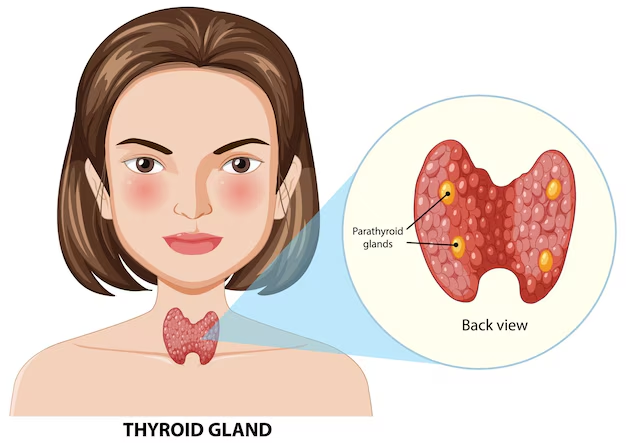
Thyroid cancer originates in the thyroid gland, a small organ located at the base of the neck. It plays a critical role in regulating metabolism, body temperature, and hormone production. There are different types of thyroid cancer—
Papillary thyroid cancer is the most common and has a good prognosis, but certain aggressive forms, like anaplastic, are more likely to metastasize to other parts of the body, including bones.
Metastasis is more likely to occur in cases where cancer remains untreated or is more aggressive. Early detection and treatment reduce the risk of metastasis significantly, but in rare instances, cancer cells find ways to spread to other organs, including the lungs, liver, and bones.
If you or a loved one has thyroid cancer, speak to a specialist about screening options and proactive measures to prevent or manage potential bone metastasis.

Symptoms of Thyroid Cancer Metastasis to Bone
Bone metastasis from thyroid cancer can present unique symptoms, including:
- Bone Pain: Persistent pain in bones, often in the spine, hips, or ribs, is a common early sign.
- Fractures: Bones affected by cancer are weakened, leading to an increased risk of fractures, sometimes from minor injuries.
- Swelling and Tenderness: The affected area may appear swollen and feel tender to the touch.
- Hypercalcemia: Cancerous activity in the bones can release calcium into the bloodstream, causing nausea, fatigue, and confusion.

Diagnosis of Bone Metastasis in Thyroid Cancer
Detecting bone metastasis in thyroid cancer patients involves a combination of imaging and laboratory tests. Common diagnostic tools include:
- Bone Scans: A bone scan can detect areas of rapid bone cell activity, which may indicate cancerous growth.
- MRI and CT Scans: These provide a detailed view of bone structures and help assess the extent of bone involvement.
- PET Scans: PET scans are often used to detect metastasis in the bones and other parts of the body.
- Blood Tests: Elevated levels of thyroid cancer markers like thyroglobulin can indicate metastasis, as well as high calcium levels, which are often associated with bone involvement.
Treatment Options for Thyroid Cancer Bone Metastasis
Treatment for thyroid cancer metastasis to bones aims to manage symptoms, prevent further spread, and improve quality of life. Common treatment methods include:
- Radioactive Iodine Therapy (RAI): Since thyroid cells absorb iodine, RAI is a targeted approach that can treat thyroid cancer cells both in the thyroid and in distant metastases. It is often effective for differentiated thyroid cancers.
- External Beam Radiation Therapy: Used to relieve pain and stabilize bones, radiation therapy targets cancer cells in specific bone areas, reducing their activity and helping prevent fractures.
- Medications:
- Bisphosphonates: These drugs strengthen bones and help reduce pain and fracture risks in metastatic bones.
- Pain Management: Opioids or other pain management drugs may be prescribed for bone pain relief.
- Surgery: In some cases, surgery may be recommended to stabilize bones at high risk for fractures. Procedures like vertebroplasty or joint replacement may be performed to maintain mobility and reduce pain.
- Targeted Therapy and Immunotherapy: Targeted therapies like tyrosine kinase inhibitors (TKIs) specifically target cancer cells, sparing normal cells. Immunotherapy, while still under research for thyroid cancer, may provide options in the future.
Living with Bone Metastasis in Thyroid Cancer
While bone metastasis presents challenges, many treatments exist to control symptoms and improve quality of life. Regular monitoring, a personalized treatment plan, and a supportive care team are essential in managing both the cancer and its effects on bone health.
Prevention and Early Detection
Regular follow-ups and screenings are critical for those with a history of thyroid cancer. Monitoring blood markers and imaging studies can help detect early signs of metastasis. Lifestyle adjustments like maintaining a healthy diet, engaging in weight-bearing exercises, and avoiding smoking or excessive alcohol may support bone health and reduce overall cancer risk.
When thyroid cancer metastasizes to the bone, it presents unique risks and challenges. However, available treatments offer significant benefits that can help manage symptoms and improve quality of life.
Benefits of Treating Thyroid Cancer Metastasis to Bone
- Pain Management: Treatments such as radiation therapy, medications, and bisphosphonates can effectively reduce pain and improve comfort.
- Prevention of Fractures: Bone-strengthening treatments and, in some cases, surgery can reinforce affected bones, reducing the risk of fractures.
- Improved Mobility and Functionality: Successful management of symptoms enables patients to maintain or regain mobility, independence, and quality of life.
- Prolonged Survival: Targeted therapies and radioactive iodine treatments (for certain types of thyroid cancer) may slow cancer progression, extending life expectancy.
- Emotional and Psychological Benefits: Effective symptom management and stability in health can reduce the emotional burden on patients, enhancing well-being.
- Personalized Treatment: Many patients benefit from a personalized, multidisciplinary approach involving oncologists, orthopedic surgeons, and palliative care specialists, providing comprehensive care that addresses both cancer progression and quality of life.
While managing thyroid cancer metastasis to bone is complex, modern treatment options help mitigate risks and enhance patients' quality of life by focusing on pain relief, bone stability, and overall health.
Risks of Thyroid Cancer Metastasis to Bone
- Bone Pain: Metastasis to bone often causes severe and persistent pain, impacting mobility and daily activities.
- Fractures: Cancer can weaken bones, making them more susceptible to fractures, even with minor injuries.
- Neurological Complications: If the cancer spreads to the spine, it may compress the spinal cord, leading to nerve pain, numbness, weakness, or even paralysis.
- Reduced Mobility: Pain and fractures can limit movement, affecting independence and quality of life.
- Hypercalcemia: Bone metastasis can lead to increased calcium release into the blood (hypercalcemia), causing symptoms like fatigue, confusion, and kidney problems.
- Reduced Response to Treatments: Bone metastasis may not respond as well to traditional thyroid cancer treatments, requiring specialized therapies, which may come with their side effects.
Cost of Treating Thyroid Cancer Metastasis to Bone
In India
- Radioactive Iodine Therapy: ₹50,000 - ₹1,50,000 per dose
- Targeted Therapy: ₹2,00,000 - ₹3,00,000/month
- Radiation Therapy: ₹1,00,000 - ₹2,50,000 for a full course
- Surgery: ₹1,50,000 - ₹5,00,000
- Bone-Strengthening Medications: ₹10,000 - ₹30,000 per dose
Abroad (US/Europe)
- Radioactive Iodine Therapy: $5,000 - $12,000 per dose
- Targeted Therapy: $8,000 - $12,000/month
- Radiation Therapy: $10,000 - $30,000 for a full course
- Surgery: $10,000 - $40,000
- Bone-strengthening medications: $500 - $2,000 per dose
Conclusion
Thyroid cancer metastasis to bone is a serious but manageable condition that often occurs in advanced stages of aggressive thyroid cancers. While it can lead to bone pain, fractures, and potential neurological symptoms, treatments such as radioactive iodine, targeted therapies, radiation, surgery, and bone-strengthening medications can alleviate symptoms, stabilize bones, and improve quality of life. A multidisciplinary approach is essential to provide effective care and maintain mobility and comfort for those affected.
FAQs
- What are common symptoms of thyroid cancer metastasis to the bone?
- Symptoms include persistent bone pain, increased risk of fractures, and neurological symptoms like numbness or weakness if the spine is involved.
- How is bone metastasis from thyroid cancer diagnosed?
- Diagnosis is typically made through imaging studies (CT, MRI, PET scans) and may be confirmed by a biopsy of the bone lesion to verify that it originates from thyroid cancer.
- What treatment options are available for thyroid bone metastasis?
- Treatments may include radioactive iodine therapy (for iodine-absorbing cancers), targeted therapies (like TKIs), localized radiation therapy, surgical stabilization, and medications like bisphosphonates to strengthen bones.
- Can thyroid bone metastasis be cured?
- While a cure is challenging at this stage, treatments aim to manage symptoms, improve quality of life, and slow cancer progression.
- Does thyroid bone metastasis affect survival rates?
- Bone metastasis generally indicates advanced disease, but thyroid cancer often progresses more slowly than many other cancers, and treatment can extend survival and improve quality of life.


